

Back to Insights
Why it’s important to make your events sustainable — and how to do it
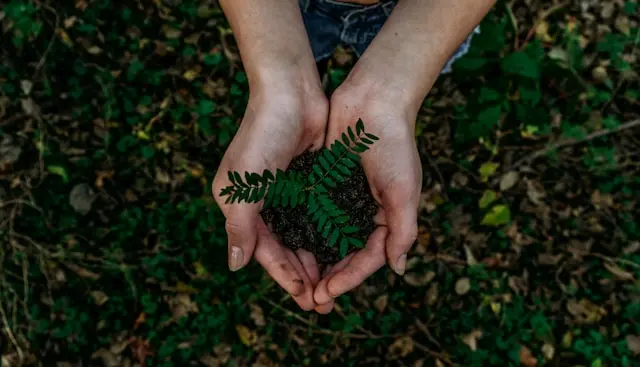
Sustainability is no longer a “nice to have” in the events industry. Clients, attendees, and partners increasingly expect events to reflect responsible practices and values. Beyond environmental impact, sustainable events often deliver stronger brand perception, cost efficiencies, and more meaningful experiences.
The question is no longer whether events should be sustainable—but how to make it happen in a practical, achievable way.
Why sustainable events matter
Reducing environmental impact
Events can generate significant waste, energy use, and emissions in a short period of time. Sustainable planning helps reduce waste to landfill, lower carbon footprints, and use resources more responsibly—without compromising the guest experience.
Meeting audience expectations
Today’s audiences are more environmentally aware than ever. Many attendees actively notice whether an event makes responsible choices, from catering to materials. Demonstrating sustainability builds trust and aligns your event with modern values.
Protecting and enhancing your brand
Sustainability reflects leadership and long-term thinking. Events that visibly prioritise responsible practices position brands as forward-thinking, credible, and socially aware—while avoiding the reputational risks of wasteful or outdated approaches.
Often saving money in the long run
Sustainable choices aren’t always more expensive. Reducing print, reusing stand materials, minimising waste, and choosing efficient suppliers often leads to cost savings, particularly across multiple events.
How to make your events more sustainable
Choose venues and suppliers carefully
Work with venues and suppliers that prioritise sustainability. Look for energy-efficient spaces, waste management policies, and suppliers who offer reusable, recyclable, or low-impact solutions.
Reduce waste at every stage
Plan to minimise waste from the outset:
- replace printed materials with digital alternatives
- use reusable signage and modular stand systems
- avoid single-use plastics
- provide clearly labelled recycling and waste stations
Less waste means less cost and less impact.
Rethink catering choices
Catering plays a major role in sustainability. Opt for:
- locally sourced and seasonal ingredients
- plant-forward menu options
- accurate headcounts to reduce food waste
- donation or redistribution plans for surplus food
Small decisions here can make a big difference.
Design for reuse
Whether it’s staging, graphics, or exhibition stands, design elements with reuse in mind. Modular systems and interchangeable branding allow materials to be repurposed across multiple events rather than discarded after one use.
Reduce travel and energy use
Encourage public transport, shared travel, or central locations. Use energy-efficient lighting and AV equipment, and power down areas not in use. Hybrid or streamed content can also reduce the need for unnecessary travel.
Communicate your efforts clearly
Sustainability shouldn’t be invisible. Let attendees know what you’re doing and why—without overclaiming. Clear, honest communication helps build awareness and encourages responsible behaviour from guests as well.
Start small and improve over time
Sustainable event planning doesn’t require perfection. Even small changes—made consistently—add up. Track what works, gather feedback, and refine your approach with each event.
Progress matters more than perfection.
The takeaway
Making events sustainable is about responsibility, relevance, and long-term value. By planning thoughtfully and making informed choices, you can reduce environmental impact while creating events that feel modern, credible, and aligned with audience expectations.
Because great events don’t just create memorable moments—they leave a positive legacy.
Curly can guide you in making a difference. Reach out via the contact form and let's discuss.

Polly Wright
Curly MC Founder & DirectorMarketing and events specialist with 20+ years’ experience bringing people, brands and organisations together across international projects.